

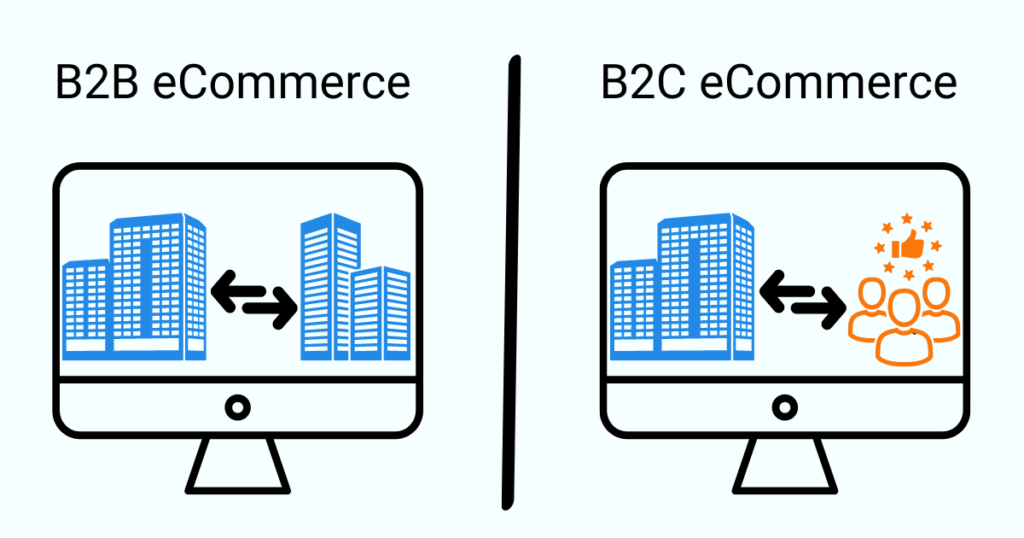
For years, e-commerce was primarily associated with the B2C market; however, this perception has shifted in recent years. More and more organizations are adopting ecommerce as a central part of their B2B growth strategy, driven by the digitization of business processes and the evolving expectations of business buyers.
Today, B2B customers expect fast digital experiences, clear product information, and simple purchasing processes. Consequently, companies that succeed in delivering these digital experiences not only improve their competitiveness but also strengthen their relationships with customers and business partners.
Ecommerce as a driver of business growth
For many organizations, ecommerce is no longer just an additional sales channel; it has become a strategic tool that enables them to scale operations, expand markets, and optimize business processes. Through modern platforms, companies can manage complex product catalogs, automate orders, and offer a more efficient experience to their customers. In addition, digital commerce facilitates integration with other business systems, such as ERP, CRM, or data platforms; this allows information to flow between different areas of the organization and helps drive more informed decision-making.
What Is Headless Commerce
This is where Headless Commerce comes in—a technological architecture that separates the visual interface of the online store from the engine that powers the commerce. In other words, the system that manages products, orders, and payments operates independently of the user experience.
This separation allows for greater flexibility in designing digital experiences and adapting them to different channels. As a result, many companies use this approach to develop personalized experiences on websites, apps, or marketplaces without affecting the central commerce platform.
Differences Between Headless Commerce and Traditional Ecommerce
In a traditional e-commerce platform, the frontend and backend are part of the same technological architecture. While this may simplify the initial implementation, it also limits the ability to customize the digital experience or make changes quickly.
In contrast, Headless Commerce separates these two layers, enabling greater flexibility and faster innovation. Some of the key differences are:
- Architecture: In the traditional model, the frontend and backend are integrated; in a headless architecture, they operate independently.
- Flexibility: The headless approach allows you to customize the experience without modifying the commerce engine.
- Innovation: Changes to the interface can be implemented more quickly.
- Integrations: It’s easier to connect the e-commerce platform with other business systems.
For this reason, many organizations are adopting headless architectures to better meet the demands of modern e-commerce.
The Impact of Headless Commerce on B2B Growth
For B2B companies, technological flexibility translates into growth opportunities. A headless architecture enables the creation of more personalized digital experiences tailored to different types of customers or markets. It also makes it easier to launch new sales channels without having to redesign the entire commerce platform. This allows companies to innovate more quickly and respond more effectively to market changes.
Ecommerce as a B2B Growth Strategy
The growth of B2B ecommerce demonstrates that Commerce is an essential part of digital transformation. Organizations that modernize their technology architecture can streamline business processes, enhance the shopping experience, and develop new digital services. In this way, commerce evolves from being merely an online store into a strategic business infrastructure.
Sphere IT Consulting and the Implementation of Ecommerce Strategies
Implementing a B2B commerce strategy requires more than just choosing a technology platform. It also involves designing the right architecture, integrating business systems, and building digital experiences aligned with business objectives.
At Sphere IT Consulting, we support companies throughout this process, combining strategy, technology, and integration to build modern Commerce solutions. This enables them to optimize operations, launch new digital channels, and scale their growth sustainably.
Based on: BigCommerce – Headless Commerce: diferencias frente al ecommerce tradicional https://www.bigcommerce.com/articles/headless-commerce/#h2_headless_commerce_vs__traditional_ecommerce__what%E2%80%99s_the_difference_